
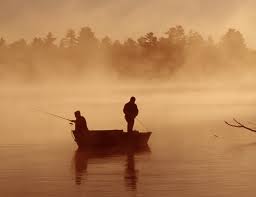
My mother was born in 1929 in the Baltic republic of Estonia. For almost three centuries, shadowy, sea-girt Estonia had been part of Tsarist Russia, but where exactly it was situated on the map of Europe remained vague to me until I decided to go fishing there. Tourist brochures spoke of the wildest, most beautiful trout fishing in former Soviet lands, the forests a wild untamed glory. A sense of security and summer enchantment must have pervaded my mother’s Baltic childhood. With her father she used to go fishing in the lakes and rivers near the Estonian capital of Tallinn. With a pike snapping at the end of their lines they felt blissfully free; there was little sense of the tragedy that lay ahead.
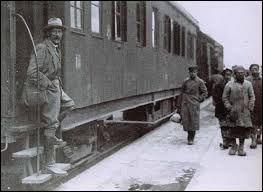
In 1940 Estonia was invaded by Stalin, and the following year by Hitler; then, in 1944, the Soviets returned. Before the Red Army could seize what remained of the family property, my mother escaped to London by way of Displaced Persons camps. She was eighteen when she reached London at the war’s end. All she had with her was a suitcase containing a change of clothes and a photograph of Tallinn with its medieval churches.

* * *
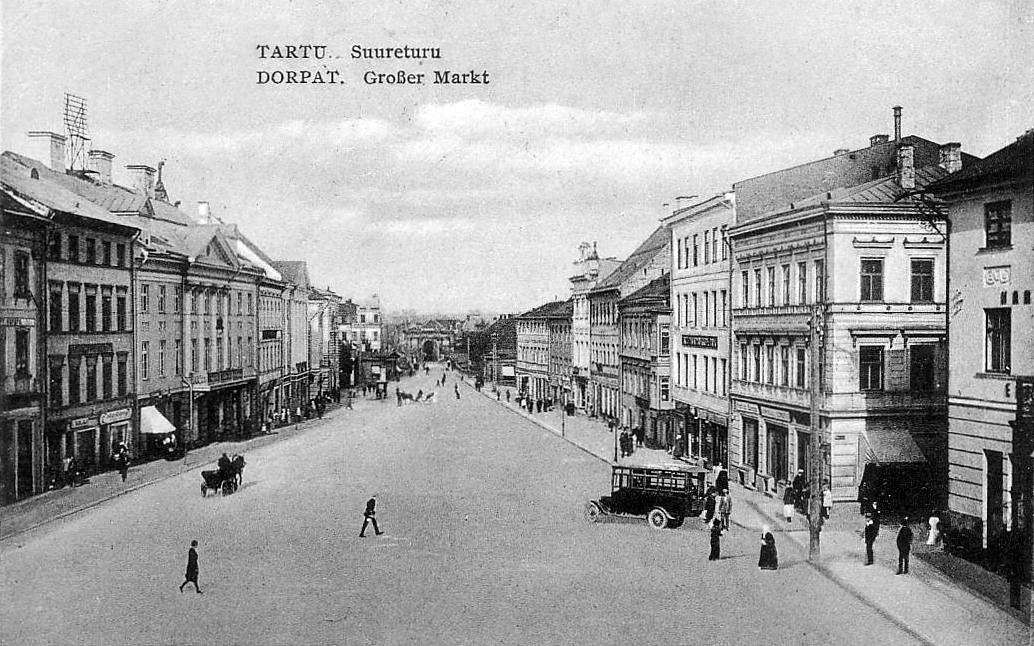
Armed with rods, waders and a boxfuls of flies, I flew out to Tallinn with three friends of mine from England: Matthew, Ken and Jonnie. Keen fly-fishers, they understood the thrill of the fish-hunt, and Estonia turned out to be a magnificent hunting-ground for us. At Tallinn airport we were met by our gillie, Vahur, whose job was to help us land fish and advise on which flies to use. Vahur knew the lakes and rivers of his native Estonia intimately. We piled into his car and set off in the direction of the university town of Tartu near the Russian frontier.
On the motorway we sped past spiky mobile phone aerials, Soviet-era collective farms and clusters of huts. After two hours we pulled up at a STATOIL petrol station. There was a smell of diesel, and over the forests in the distance the sky coruscated brilliantly. Water, battery, brakes: Vahur checked them and got back in. The road dipped and we caught sight of meadows and fields set aside for winter-planted wheat.
On the Tartu outskirts, the River Emajõgi slipped in and out of view like a silver eel. We parked on a forest path where the river was covered with drowned May-flies after a rainfall; brown trout, rising lazily, were gorging. Vahur sat on the bank and examined his tinful of bright-coloured flies. “Maybe we should try a klinkhammer – or a red tag?” Light was reflecting at all angles off the water when Ken saw a fish close to the bank on the opposite side, lifting its head as the hooked red tag floated past. The fish swirled and swept round to seize the fly. Our first catch of the day was a plump brown trout.

After lunch we followed Vahur through bogland and Siberian-type taiga to a beautiful sun-flooded spot upstream. Twice I stumbled into a beaver hole and sank waist-deep in mud. The going can be tough in Estonia. Not long ago, an American diplomat client of Vahur’s had demanded that a rescue helicopter be flown out to him from Tallinn. (“He’d fished for salmon in Alaska but the Baltic was a challenge too far”, explained Vahur.) This made us feel virtuous and manly. Arthur Ransome, the Tallinn-based newspaper reporter and author of Swallows and Amazons, had liked nothing more than to fish in the wilder parts of Estonia. Having married Trotsky’s secretary in the Estonian capital in 1924 he was forever in the Tallinn archipelago with a rod and reel.
We stayed most nights in Baltic German manor houses converted into fishing inns, the walls adorned with elks’ heads and other stuffed creatures. In the dining rooms with their lancet windows we enjoyed Baltic herrings in oil, sprats and cucumber-stuffed pierogie-type pastries, a plain but sustaining food.