

In 1793, fearful that L’Ouverture’s revolt would spread to the neighbouring British slave colony of Jamaica, and hoping to add the island to his own Caribbean possessions, King George III sent 27,000 troops to Haiti.

The ensuing occupation turned out to be one of the greatest (if still least known) catastrophes of British imperial history. Tropical disease killed George III’s Redcoat soldiers in their thousands before finally they capitulated to L’Ouverture. It was the first time in history that a European army had surrendered to a black general, and the defeat inspired William Blake’s anti-royalist poem “America: A Prophecy”, dated 1793:
Let the slave grinding at the mill run out into the field;Let him look up into the heavens and laugh in the bright air
Napoleon’s military failures in Egypt and the East had redoubled his determination to build a new dominion in the Americas. L’Ouverture had always acted as Napoleon’s faithful envoy, but when, in May 1801, he declared himself governor for life of the island, the first consul was outraged.
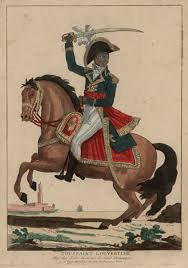
In the winter of 1801, in flagrant violation of the principles of the French Revolution, Napoleon abandoned his support of the Haitian uprising and organised an expedition to overthrow L’Ouverture and his enfranchised slaves. The French set sail a week before Christmas from the harbours of Brest, Rochefort, Lorient and Toulon. L’Ouverture (“a maggot in a rag”, Bonaparte’s officers called him) should be clapped in irons, or perhaps carried to Paris in a golden cage and exhibited at the newly opened Jardin des Plantes. James Stephen MP, brother-in-law of the British abolitionist William Wilberforce, argued that Napoleon’s counter-revolution in Haiti involved “interests more awfully important to the blacks than ever before gave violence and durability to the quarrels of mankind”.

L’Ouverture was not to be fooled. He set fire to coastal towns and awaited the invaders in the interior. When the French landed they assumed the entire island was ablaze. Lady Nugent, the American wife of Jamaica’s British governor, watched aghast as the conflagration raged. “It seems that Toussaint’s plan is to distress the French as much as possible,” she wrote in her journal, adding: “It makes me shudder to think of the horrible bloodshed and misery that must take place before anything can be settled in that wretched island.”
Six months into Napoleon’s invasion, on June 7 1802, the trap was set.
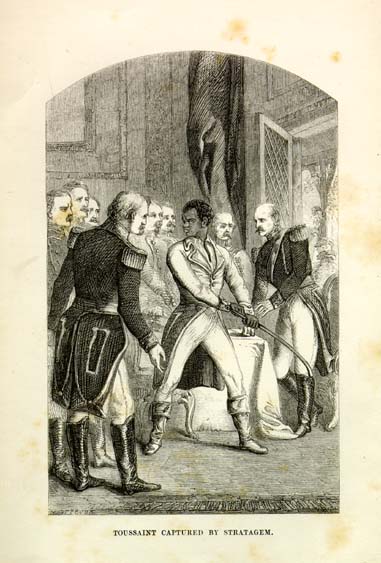
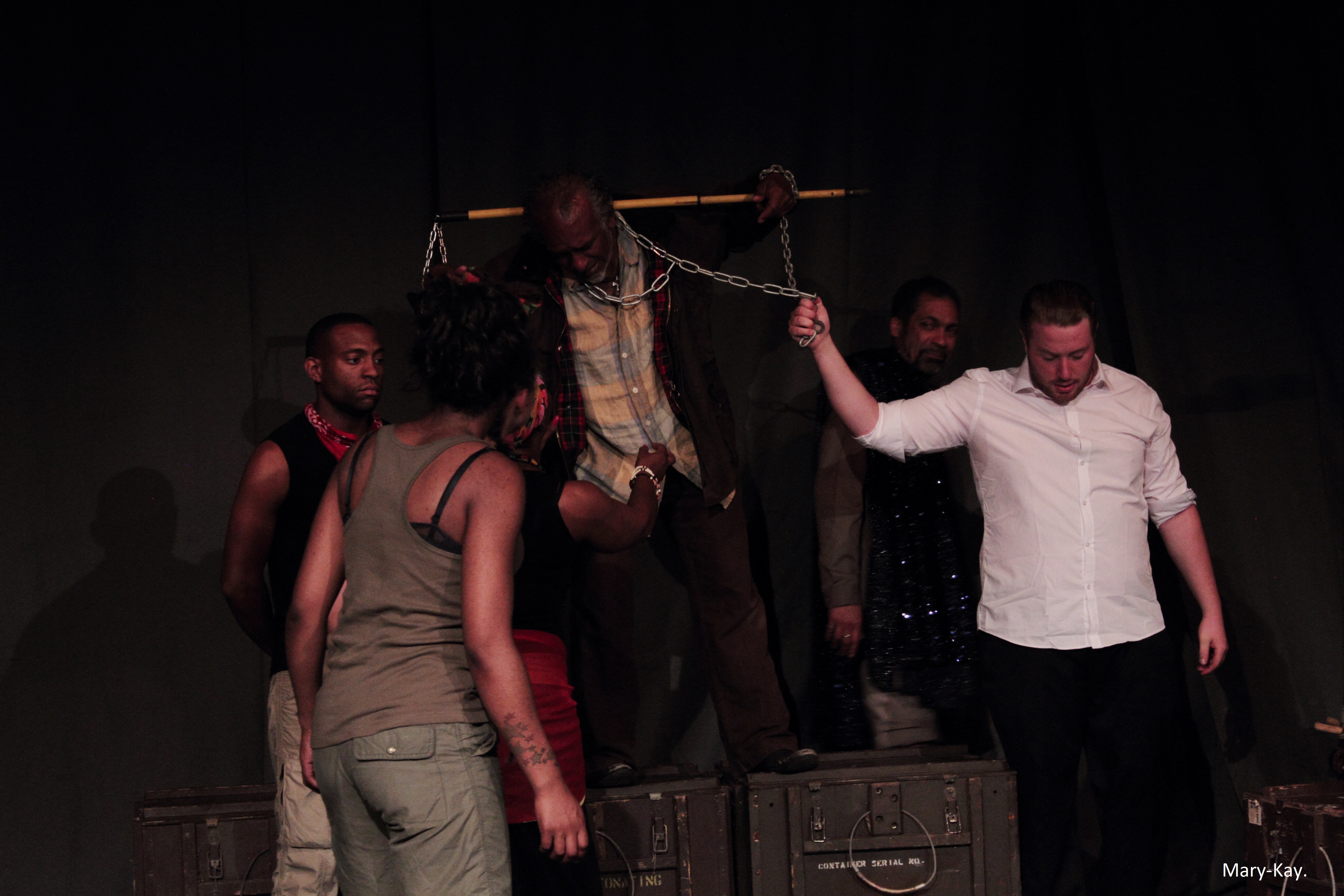
Despite warnings from his allies, L’Ouverture agreed to discuss administrative matters with the French at their colonial headquarters in Cap-Français (today Cap-Haïtien). Once there, he was handcuffed and put on a frigate, aptly named The Hero, bound for France. No mercy was shown him; for five months he languished in a dungeon overlooking the Swiss frontier in the Jura mountains of France. On Bonaparte’s orders he was humiliated by his jailers, dressed in convict’s clothes and denied firewood.
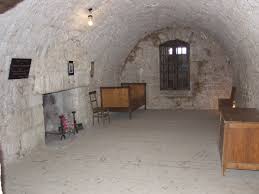
News of L’Ouverture’s imprisonment reached William Wordsworth in Calais that summer, as he sat watching English day-trippers disembark from the Dover packet. His sonnet “To Toussaint L’Ouverture”, published in the February 2 1803 edition of the Morning Post, showed a rare sympathy for the “most unhappy Man” who had placed his trust in the French Republic:
Live, and take comfort. Thou hast left behindThough fallen Thyself, never to rise again,Powers that will work for thee; air, earth and skies;There’s not a breathing of the common windThat will forget thee; thou has great allies;Thy friends are exultations, agonies,And Love, and Man’s unconquerable mind