
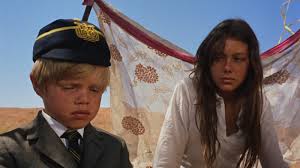
However, it was Roeg’s coming-of-age film Walkabout (1971) which made his name. I first saw it on television as a teenager in the mid Seventies; inevitably with my hormones fizzing I was struck by Jenny Agutter as the schoolgirl lost in the Australian wilderness. Agutter turned seventeen during the shoot, Roeg recalled – “the same age as my granddaughter is now.” (Roeg has six sons and three granddaughters.)
I said: “My daughter saw Walkabout the other day and loved it.”
“I’m so pleased to hear that. What’s her name?”
“Maud.”
“Maud! That was my mother’s name!… Or was it Mabel? Actually I think it was Mabel.”
(It was definitely Mabel.)
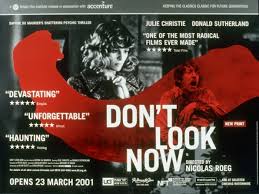
As a director, Roeg is concerned above all with the frailties of human desire. In perhaps the most notorious scene from 1970s cinema, Donald Sutherland and Julie Christie make love (supposedly for real) in Don’t Look Now before going out to dinner in their Venice hotel. Their marriage has been put to the test by the death of their daughter in England but in sex at least they find a consolation.
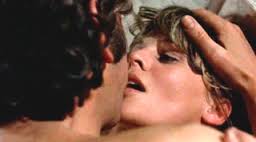
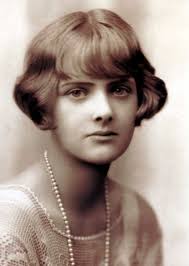
“The American censors put an ‘X’ on the film because of that scene but there’s no seduction involved and it’s shot as a completely normal human event.” Roeg added: “By the way, I hate the term ‘sex scene’. It suggests pornography, which ninety-nine per cent of the time has nothing to do with the human condition. Yeats said that sex and death are the only things that can interest a serious mind, and I have to agree with him on that.” Daphne Du Maurier, on whose novella Don’t Look Now was based, wrote to Roeg to say how much she admired the film. “But foolishly I gave the letter away to a biographer, who never returned it.”
Roeg’s masterpiece is Bad Timing (1980); in a most disturbing scene, the American psychoanalyst played by Art Garfunkel has sex with Theresa Russell’s unconscious body after cutting away at her underwear with a penknife. The work was condemned by its distributor Rank as a “a sick film made by sick people for sick people”. Roeg, then 52, was already established as a film-maker in the visionary company of Powell and Pressburger, and cared little for box office success.

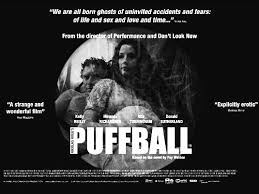
His more recent work, with its trademark plot twists and disorientating camera-work, has been critically mauled at times. Only now can we see a film like Puffball (2007), based on Fay Weldon’s novel of the same title, as extraordinary and enduring.
“You know, film remains completely mystical and mysterious to me”, Roeg said to me as I left, still smitten after all these years. Out in the winter sunlight again I felt grateful to have met this last true magus of the silver screen.
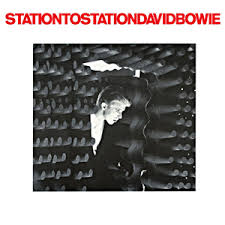
David Bowie died on 10 January 2016
The World is Ever Changing by Nicolas Roeg is published by Faber.